Understanding Bioresonance Therapy: A Holistic Approach to Wellness
In recent years, alternative medicine has gained increasing attention for its potential to support health and healing in ways that complement conventional medical treatments. One such approach is bioresonance therapy, a technique that draws on the concept of energy medicine. While it is still relatively unfamiliar to many, bioresonance has been used by practitioners to treat a variety of conditions, ranging from chronic pain to allergies. But what exactly is bioresonance therapy, and how does it work? Let’s dive into the science and benefits of this intriguing treatment method.
What is Bioresonance Therapy?
Bioresonance therapy is based on the idea that the human body emits electromagnetic frequencies. Every cell in the body has its own frequency, and when these frequencies become disrupted due to illness, stress, or toxins, it can lead to imbalances in health. Bioresonance therapy aims to detect and correct these imbalances by using technology that interacts with the body’s electromagnetic field.
The treatment involves the use of a device that sends low-frequency electromagnetic waves or “resonances” into the body. These frequencies are believed to resonate with those emitted by the cells in the body, helping to restore harmony and improve health. The process is non-invasive and is often compared to a type of biofeedback, where the body’s energetic responses guide the therapy.
How Does Bioresonance Therapy Work?
Bioresonance therapy operates on the principle that all matter vibrates at specific frequencies. These frequencies can be measured and influenced to promote healing. The process follows these steps:
- Detection of Frequencies: The practitioner uses a bioresonance device to measure the electromagnetic frequencies emitted by your body. The device scans your body’s frequencies, detecting any imbalances or disturbances.
- Identification of Imbalances: Once the frequencies are detected, the device is programmed to identify abnormal or unhealthy frequencies associated with various conditions, such as infections, allergies, or inflammation. The goal is to find and isolate the source of the imbalance in your system.
- Treatment with Corrective Frequencies: After identifying the imbalances, the device sends corrective frequencies back into your body. These frequencies are designed to resonate with the body’s natural frequencies, helping to restore balance and harmony. The therapy is usually painless and non-invasive, with sessions typically lasting between 30 to 60 minutes.
- Evaluation and Adjustments: Throughout the treatment, practitioners may monitor your responses to adjust the frequencies or modify the therapy. The therapy may involve multiple sessions over several weeks to achieve the desired results.
Many people have experienced positive results with bioresonance therapy. Individuals have reported improvements in energy levels, reduced pain, and better emotional well-being after treatment. The therapy works by stimulating the body’s natural healing processes, helping to activate the body’s own defense mechanisms and promote self-regulation.
Benefits of Bioresonance Therapy
- Non-invasive: Bioresonance therapy is a gentle, non-invasive treatment option that doesn’t involve drugs, needles, or surgery, making it an appealing option for those seeking alternative or complementary therapies.
- Holistic Approach: Bioresonance aims to address the root cause of health issues rather than just masking symptoms. It works with the body’s energetic system, promoting balance and harmony throughout the entire body.
- Personalized Treatment: Each bioresonance session is tailored to the individual, with frequencies customized to match the unique energetic patterns of the person being treated.
- Minimal Side Effects: Bioresonance therapy is generally considered safe, with few reported side effects. Some individuals may experience mild detox symptoms (such as fatigue or headaches) as their body adjusts to the therapy, but these symptoms typically resolve quickly.
- Complementary to Other Therapies: Because it is non-invasive and drug-free, bioresonance therapy can be used in conjunction with conventional medical treatments, such as medication or physical therapy, to support healing and recovery.
What to Expect During a Bioresonance Session
A typical bioresonance session involves lying comfortably while electrodes or sensors are placed on your skin. The therapist will use the bioresonance device to scan your body’s frequencies and identify any imbalances. You may feel a sense of relaxation or mild tingling during the session, but the process is generally painless. Depending on your condition, you may need multiple sessions for optimal results.
While some individuals experience improvements after just one or two sessions, others may need longer treatment periods. Your therapist will work with you to create a treatment plan tailored to your specific needs.
Final Thoughts
Bioresonance therapy offers a unique and holistic approach to wellness that focuses on balancing the body’s energy frequencies to promote healing. While more research is needed to validate its claims, many individuals have found it to be a valuable tool in managing a variety of health conditions. If you’re curious about bioresonance therapy, it may be worth exploring as part of a broader approach to your health and well-being—particularly if you’re looking for a non-invasive and drug-free alternative to support your body’s natural healing processes.
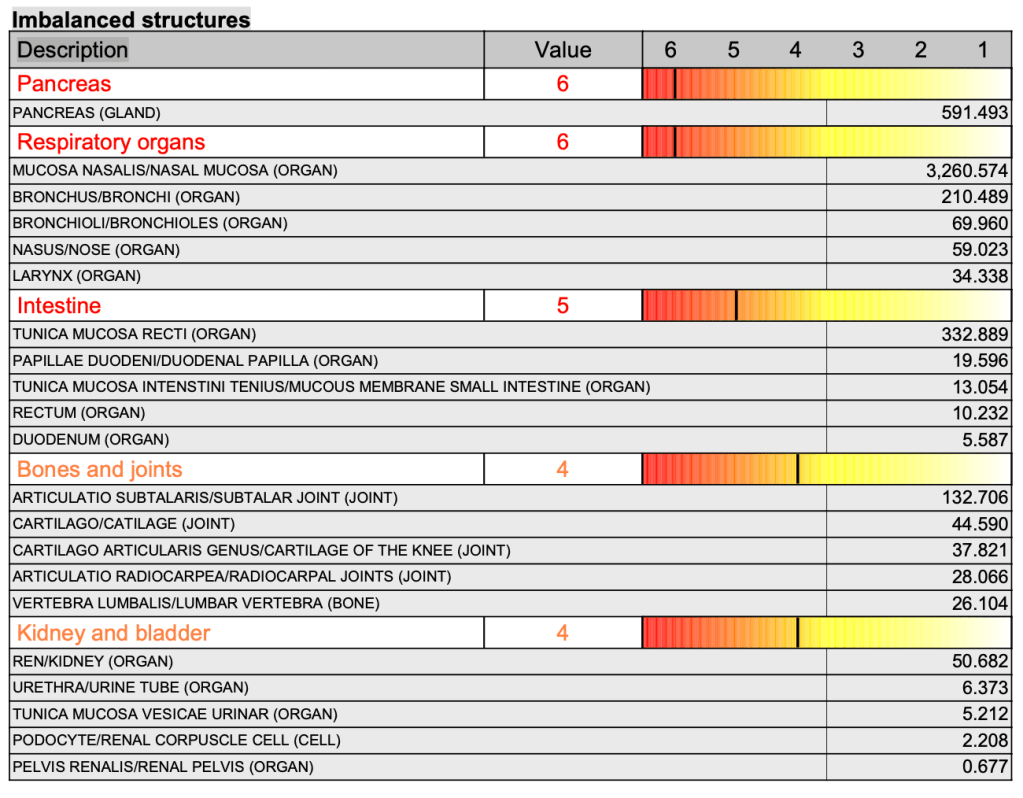
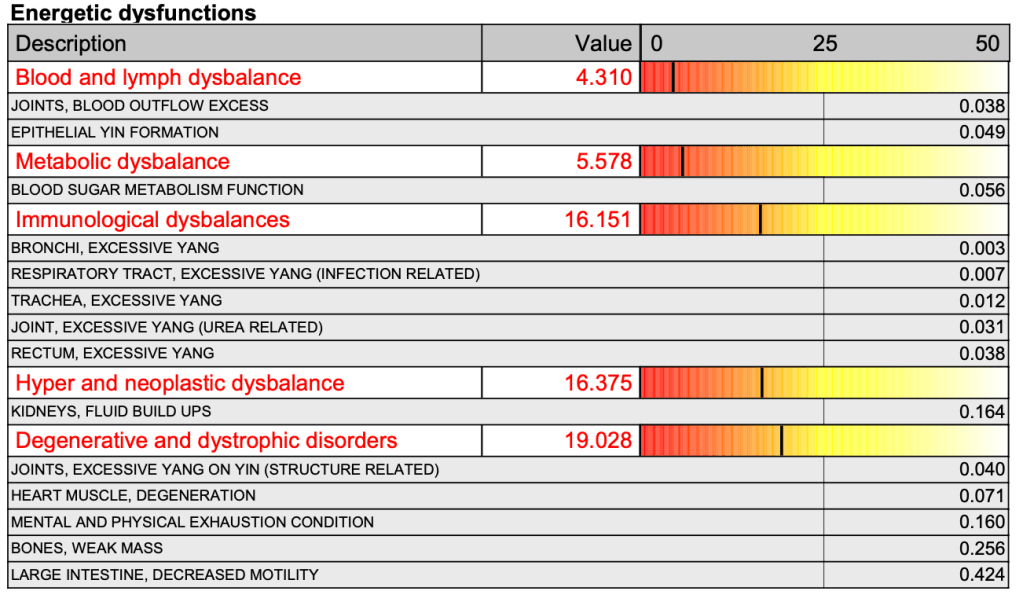
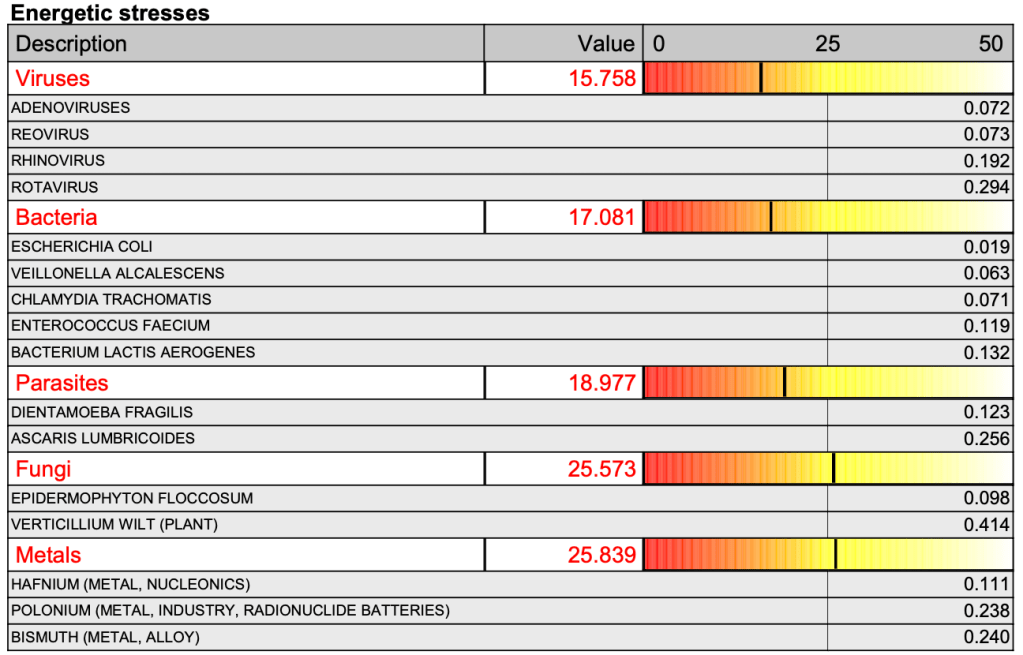
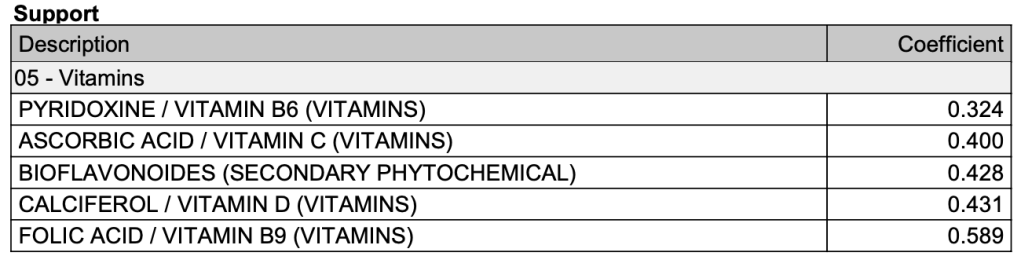
Interpreting the Vitalyzer Report

 acupuncturebygrace.com